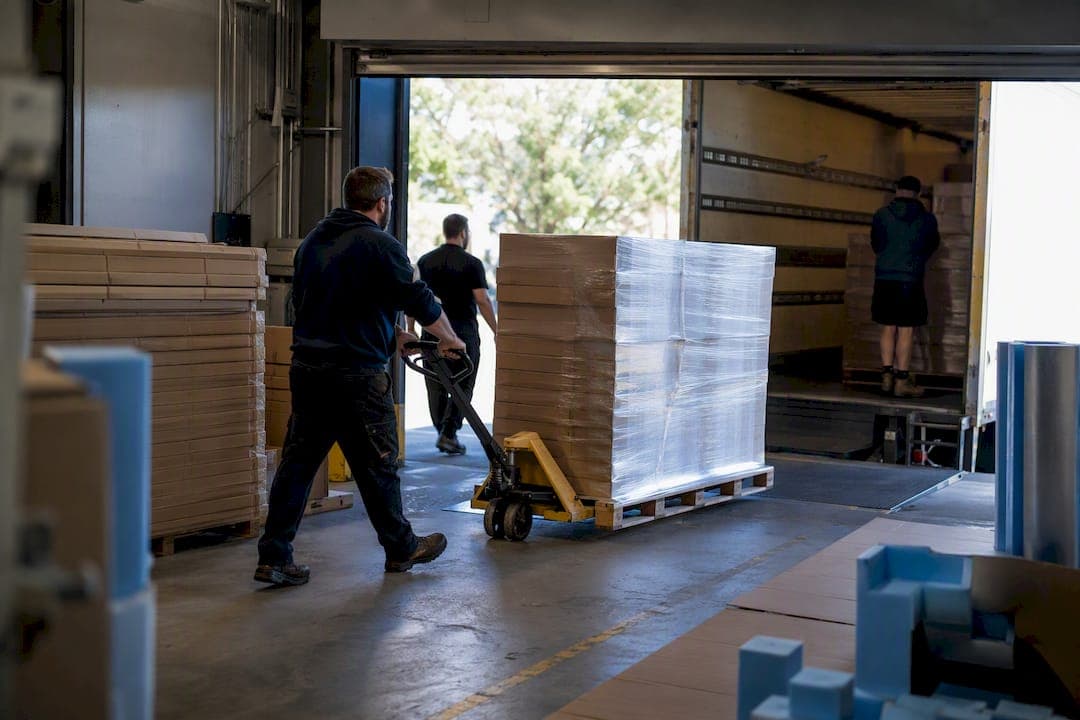
For most cabinet orders, LTL freight is the right balance of cost and protection. Full truckload works when your order fills a trailer, parcel handles small parts and samples, and white-glove delivery earns its price when finished cabinetry needs to land inside a kitchen ready for installers. Choosing the wrong cabinet shipping method is one of the most common (and expensive) mistakes buyers and dealers make, and it usually shows up as a damaged door panel or a surprise accessorial fee on the invoice.
Here's how to match the method to the order:
- LTL (Less-Than-Truckload): best for typical multi-box cabinet orders under 15,000 pounds that don't fill a trailer.
- FTL (Full Truckload): best for large-volume dealer orders or repeat wholesale shipments where the freight fills most of a trailer.
- Parcel: best for hardware, samples, or a single replacement door.
- White-glove or specialized final-mile: best for finished, high-value cabinetry that needs to arrive installation-ready inside the home.
Key Takeaways
Matching the shipping method to order size and value, planning for accessorials, and packing cabinets correctly are what separate a smooth delivery from a costly claim.
| Point | Details |
|---|---|
| Match method to order size | Use LTL for standard orders, FTL for bulk volume, and parcel for small parts or samples. |
| Budget for accessorials | Liftgate, residential, and limited-access fees can add substantially to a base freight quote. |
| Consolidate to save | Palletizing multiple cabinets together typically lowers freight class and per-unit cost. |
| Pack before you ship | Crate or brace cabinets properly and photograph the job before pickup to protect against damage claims. |
| Choose specialized partners | Purpose-built cabinet logistics providers reduce damage rates compared to generic freight carriers. |
Table of Contents
- Cabinet Shipping Methods: LTL, FTL, Parcel, and Import Freight
- What Drives Cabinet Shipping Cost
- How to Pack and Crate Cabinets to Prevent Damage
- White-Glove, Curbside, and Inside Delivery Explained
- Freight Class, Transit Insurance, and Filing Claims
- How Long Cabinet Shipping Takes
- Freight Strategies That Cut Cost and Improve Reliability
- Delivery Day Checklist for Cabinet Buyers and Dealers
- How Best Cabinet Specialist Ships Cabinets
- Shipping Cabinets Internationally: What Importers Need to Know
- Sustainable Shipping Options for Cabinets
- The Real Lesson Buried in All This Freight Detail
- Frequently Asked Questions
- Sources
Cabinet Shipping Methods: LTL, FTL, Parcel, and Import Freight
Every cabinet shipping method solves a different problem, and understanding the mechanics behind each one helps you avoid overpaying or under-protecting your order.
- LTL freight moves your shipment alongside other companies' freight on a shared trailer. Carriers price it using weight, cubic dimensions, and freight class, which is why two orders of similar size can carry very different quotes. LTL is the standard choice for orders under 15,000 pounds and covers the bulk of residential and commercial cabinet shipping volume.
- FTL dedicates an entire trailer to your order. It costs more upfront but becomes cheaper per cabinet once your shipment approaches trailer capacity, because you stop paying for shared-space handling and multiple transfer points. Dealers ordering in bulk or builders stocking several units at once typically hit this threshold.
- Parcel shipping works for small components like hinges, drawer slides, or a single sample door. Watch for dimensional weight here. Parcel carriers price oversized-but-light boxes by volume, not just scale weight, so a bulky but empty cabinet box can cost more than its actual weight suggests.
- Ocean and air freight come into play for imported cabinets. Full container load (FCL) or less than container load (LCL) shipping affects landed cost significantly, and flat-packing RTA units cuts shipping volume by roughly 30 to 40 percent compared to pre-assembled cabinets, which changes the math on container efficiency entirely.
What Drives Cabinet Shipping Cost
Freight quotes look like a black box until you know what's inside them. Every cabinet shipping cost breaks down into a handful of components, and understanding each one lets you spot a fair quote from an inflated one.
- Base linehaul rate: the core carrier charge tied to distance, weight, and freight class.
- Fuel surcharge: a variable percentage added on top of the base rate, tracking current diesel prices.
- Accessorial fees: add-ons for liftgates, residential delivery, or limited-access sites.
- Freight minimums: many manufacturers and dealers charge a flat minimum or a "drop charge" on small orders, which is why a two-cabinet order often costs nearly as much per unit as a ten-cabinet order.
- Residential delivery premiums: trucks built for dock-height loading unloads need extra labor and equipment at a home, and that shows up as its own fee.
Cabinets typically fall into freight class 100 to 150, a range that reflects their bulk relative to weight. A single cabinet order and a pallet of ten cabinets from the same dealer can carry wildly different per-unit costs. Consolidating multiple cabinets onto one pallet, rather than shipping loose boxes, often drops the effective freight class and shrinks the per-unit price. Buying five cabinets as one palletized shipment instead of five separate parcel boxes is almost always the cheaper route.
How to Pack and Crate Cabinets to Prevent Damage
Damage claims almost always trace back to preparation, not the carrier. Getting this right upfront saves you the time and cost of a claim later.
- Choose the right protection level for the format. Flat-packed RTA units need less material and ship efficiently in their original cartons. Pre-assembled units generally need a wood crate or a reinforced pallet with corner protection to survive multiple freight transfers.
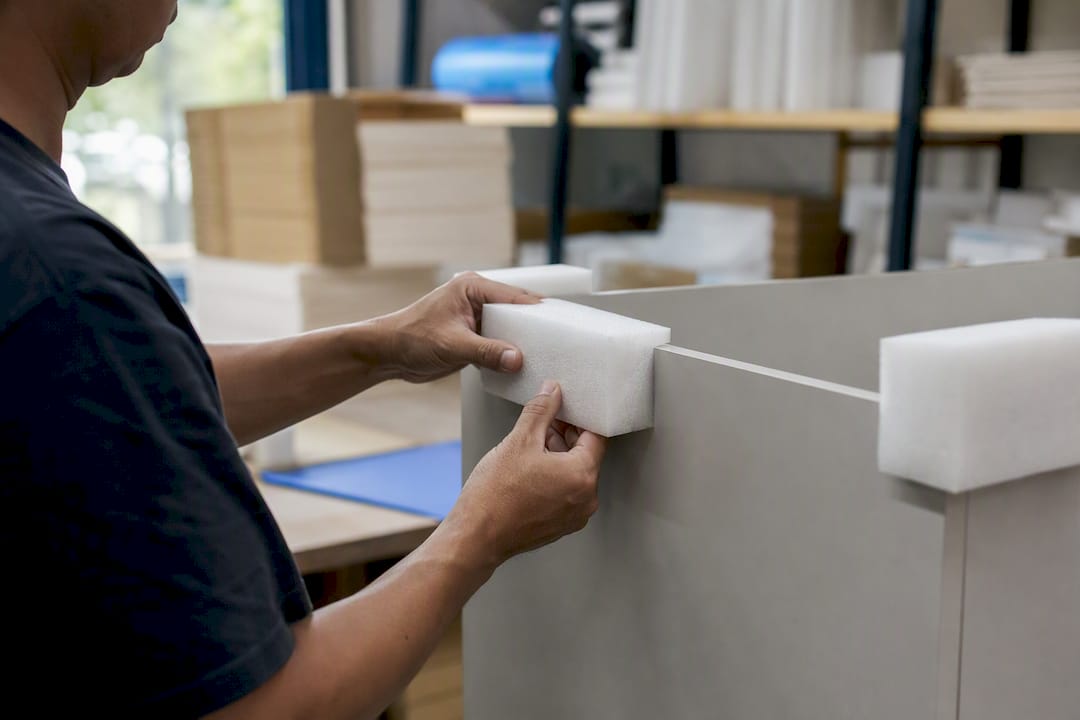
- Use blocking and bracing inside the trailer. Loose cabinets shift during transit; foam corner guards, edge protectors, and strapping keep panels from rubbing against each other or the trailer wall.
- Disassemble doors where practical. Removing doors and wrapping them separately from the box reduces the chance of a hinge snapping or a face frame cracking under pressure.
- Label everything for the installer. Mark boxes with room destination and install sequence, not just a generic "kitchen cabinets" label, so crews can unload in the order they'll actually build.
- Request custom crating for oversized or antique pieces. A standard pallet won't protect a large island cabinet or a refinished antique the way a built-to-size wood crate will.
Pro Tip: Take photos of your packing job before the carrier picks up the shipment. If a claim comes up later, proof that the cabinet was properly packed and braced shifts the burden back onto the carrier.
White-Glove, Curbside, and Inside Delivery Explained
The delivery service level you choose changes both your final invoice and how much work lands on your crew. Curbside delivery means the truck drops the shipment at the end of your driveway or dock, and you're responsible for getting it inside. White-glove delivery includes carrying cabinets into the home or job site, sometimes to a specified room, and often includes debris removal.
Common accessorials to budget for:
- Liftgate fee: required when there's no loading dock and the truck needs a hydraulic lift to lower freight to ground level.
- Residential delivery fee: applies any time the destination is a home rather than a commercial address.
- Limited-access fee: covers job sites with narrow streets, gated communities, or construction zones that slow down a standard delivery truck.
- Long carry fee: billed when the crew has to carry cabinets farther than the standard delivery distance from the truck.
Schedule your appointment window around your installer's availability, not just your own by coordinating with One Day Doors & Closets to ensure smooth delivery and staging. A missed delivery appointment often triggers a redelivery fee that could have been avoided with one confirmation call the day before.
Freight Class, Transit Insurance, and Filing Claims
Freight class and insurance are the two levers that protect your cabinet order financially, and both are worth understanding before you book a shipment.
Freight class is determined largely by density, meaning weight divided by cubic feet, along with how the item is packaged. Tighter, more efficient packing can lower your class and your rate. Transit or marine insurance covers loss and damage beyond what a carrier's limited liability pays out, which for standard freight is often just a few cents per pound, far short of a cabinet's real replacement value.
If a claim becomes necessary:
- Photograph every box before the carrier picks it up and again at delivery.
- Have the driver inspect and note any visible damage on the delivery receipt before you sign.
- Keep your original packing list and documentation on file, since carriers typically require it to process a claim.
How Long Cabinet Shipping Takes
Domestic LTL shipments typically transit in two to seven days, depending on distance and how many terminals the freight passes through. Carriers consolidate loads at cross-dock terminals along the route, which adds a day or two but keeps LTL rates lower than a dedicated truck.
- Book your delivery appointment as soon as a firm ship date is confirmed.
- For imports, budget separately for production time, ocean transit, customs clearance, and drayage from the port to your final destination. Each stage can add days independently of the others.
Freight Strategies That Cut Cost and Improve Reliability
Dealers and high-volume buyers who treat freight as a strategy, not an afterthought, consistently pay less and see fewer damaged shipments.
- Consolidate orders onto fewer pallets. Combining multiple cabinet SKUs into one palletized shipment lowers the effective freight class and reduces per-unit cost compared to shipping loose boxes.
- Negotiate volume rates and accessorial caps. Dealers ordering regularly can lock in rates with a carrier or work through a 4PL that manages multiple carrier relationships on their behalf.
- Use a unified middle-mile and final-mile partner where possible. Specialized cabinet logistics providers that handle both legs of the journey tend to reduce damage and improve shipment visibility compared to handing off freight between multiple generic carriers.
- Reserve white-glove for finished, installation-ready goods. Sequencing white-glove deliveries around your installer's schedule avoids paying premium delivery fees for cabinets that will sit in a garage for two weeks anyway.
Pro Tip: If you order cabinets on a regular cycle, ask your supplier about trade pricing and contractor discounts tied to shipment volume. Freight savings often scale with order frequency, not just size.
Delivery Day Checklist for Cabinet Buyers and Dealers
A little preparation on delivery day prevents most of the problems that turn into damage claims or missed installer schedules.
- Confirm the appointment window and site access the day before, including any gate codes or parking restrictions for a limited-access delivery.
- Designate an on-site contact who can accept the shipment and sign the delivery receipt if you can't be there personally.
- Clear a staging area near the entry point and lay down floor protection before the truck arrives.
- Label boxes by installation sequence so the crew unloads cabinets in the order your layout plan calls for.
- Inspect every box with the driver present. Count pieces against the packing list and photograph anything that looks damaged or short before you sign anything.
How Best Cabinet Specialist Ships Cabinets
Best Cabinet Specialist builds cabinets with plywood boxes and solid wood doors, then packages and palletizes them specifically to hold up through multi-stop freight transit.
- Plywood boxes and reinforced pallets reduce the flexing and corner damage common with lighter particleboard construction.
- Contractors and builders get sequenced, trade-priced shipments built around project timelines rather than one-off retail orders.
- As a women-owned and veteran-owned business, Best Cabinet Specialist backs its fast shipping claims with the same craftsmanship standards it applies to every order.
Shipping Cabinets Internationally: What Importers Need to Know
Importing cabinets adds several layers most domestic buyers never deal with, and the details matter far more than they do on a local delivery.
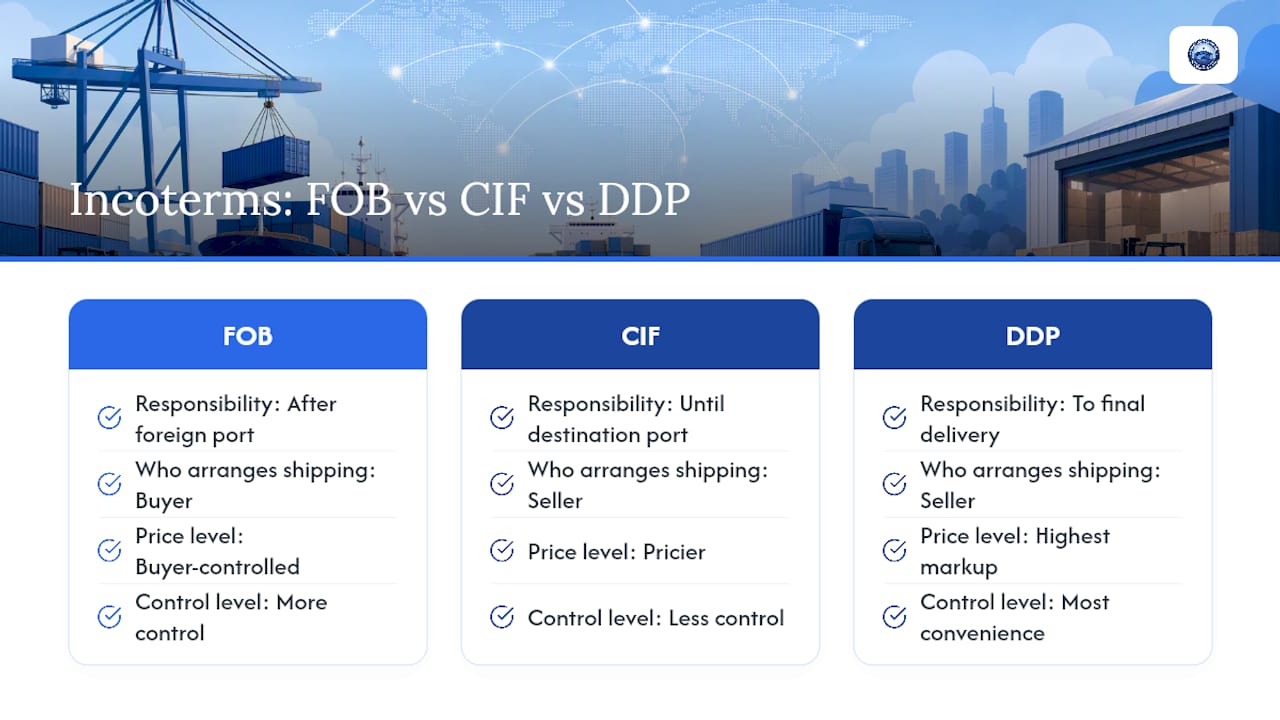
Incoterms decide who controls the freight and who eats the cost if something goes wrong. Under FOB (Free On Board), you take responsibility for the shipment once it clears the foreign port, giving you more control over carrier selection and cost. Under CIF (Cost, Insurance, Freight), the seller arranges shipping and insurance to your destination port, which is simpler but usually pricier. DDP (Delivered Duty Paid) hands over the most convenience since duties and delivery are handled for you, at the highest markup.
Container choice matters just as much. FCL (Full Container Load) dedicates an entire container to your order, which protects against contamination and damage from other shippers' freight. LCL (Less than Container Load) shares a container with other importers' goods, which lowers cost for smaller orders but adds handling risk at consolidation points.
Flat-packing RTA cabinets before shipping reduces volume by roughly 30 to 40 percent compared to shipping pre-assembled units. That volume reduction can shift the math from LCL to FCL, or let you fit more product into a single container, which lowers your landed cost per cabinet meaningfully.
Beyond Incoterms and container strategy, budget for customs clearance, import duties, and drayage from the port to your warehouse or job site. Each of those steps has its own timeline and its own paperwork, and delays at any one stage push back your entire project schedule.
Sustainable Shipping Options for Cabinets
Freight has an environmental cost that's easy to overlook when you're focused on price and timeline, but it's worth factoring into your shipping decisions.
Consolidating orders onto fewer pallets and choosing FTL over multiple partial LTL shipments both reduce the number of truck trips and the total fuel burned per cabinet delivered. Flat-packed RTA units help here too. Beyond lowering freight class and cost, shipping cabinets unassembled means more product fits into each truck or container, which cuts the number of trips needed to move the same volume of cabinetry.
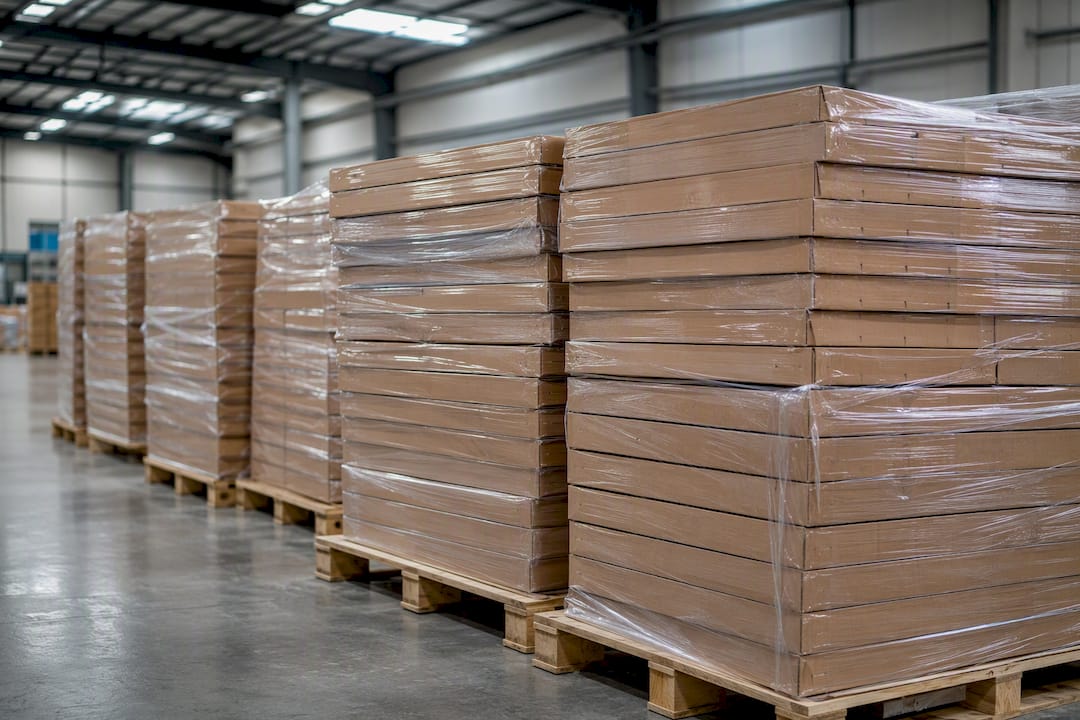
Packaging choices matter as well. Corrugated cardboard, foam corner protectors, and reusable pallet wrap are lower-impact than single-use wood crating for shipments that don't require crate-level protection. Reserve custom wood crating for genuinely fragile or high-value pieces, like antique restorations or oversized islands, rather than defaulting to it for every shipment.
Working with carriers that consolidate loads at cross-dock terminals, rather than running partially empty trailers point-to-point, also reduces the carbon footprint per cabinet delivered. It's a detail most buyers never ask about, but it's one dealers with recurring freight volume can influence simply by choosing carriers that prioritize load efficiency over speed alone.
The Real Lesson Buried in All This Freight Detail
Most cabinet shipping advice online treats freight like an afterthought, a line item to minimize rather than a decision that shapes whether your cabinets arrive intact. That's backward. The research behind this guide points to one consistent theme: the buyers and dealers who spend the least on freight over time are the ones who invest a little more upfront in packing quality and method selection, not the ones chasing the cheapest quote.
The conventional wisdom to "always pick the lowest freight bid" falls apart the moment you factor in a damage claim, a redelivery fee, or a missed installer appointment. Those hidden costs routinely erase whatever you saved on the base rate. What actually works is boring but effective: palletize instead of shipping loose boxes, match the service level to the cabinet's finish state, and document everything at pickup and delivery.
If you take one thing from this guide, prioritize packaging quality over carrier price. A well-packed cabinet on a mediocre carrier survives more often than a poorly packed one on a premium carrier.
Frequently Asked Questions
What's the cheapest way to ship cabinets? LTL freight is typically the most affordable option for standard multi-box orders under 15,000 pounds, especially when cabinets are consolidated onto a single pallet rather than shipped as loose boxes.
Does LTL or FTL cost less per cabinet? LTL costs less for smaller orders, but FTL becomes cheaper per cabinet once your shipment approaches full trailer capacity, since you stop paying the per-stop handling fees built into shared-trailer freight.
How long does cabinet shipping usually take? Domestic LTL shipments typically transit in two to seven days, while imported cabinets need additional time for production, ocean transit, customs clearance, and drayage.
What freight class do cabinets fall under? Cabinets generally fall into freight class 100 to 150, determined by density (weight relative to cubic feet) and how efficiently the shipment is packaged.
Is white-glove delivery worth the extra cost? It's worth it for finished, high-value cabinetry that needs to arrive installation-ready inside the home, but it's an unnecessary expense for RTA units your crew will unbox and build on-site anyway.
How can I lower my cabinet shipping cost? Consolidate multiple cabinets onto one pallet, choose flat-packed RTA units when possible to reduce shipping volume, and confirm delivery details in advance to avoid redelivery and limited-access fees.
Sources
- Complete guide to understanding and managing LTL shipping expenses — exfreight
- Shipping cabinets — FreightCenter
- Kitchen cabinets logistics & delivery solutions — CDS