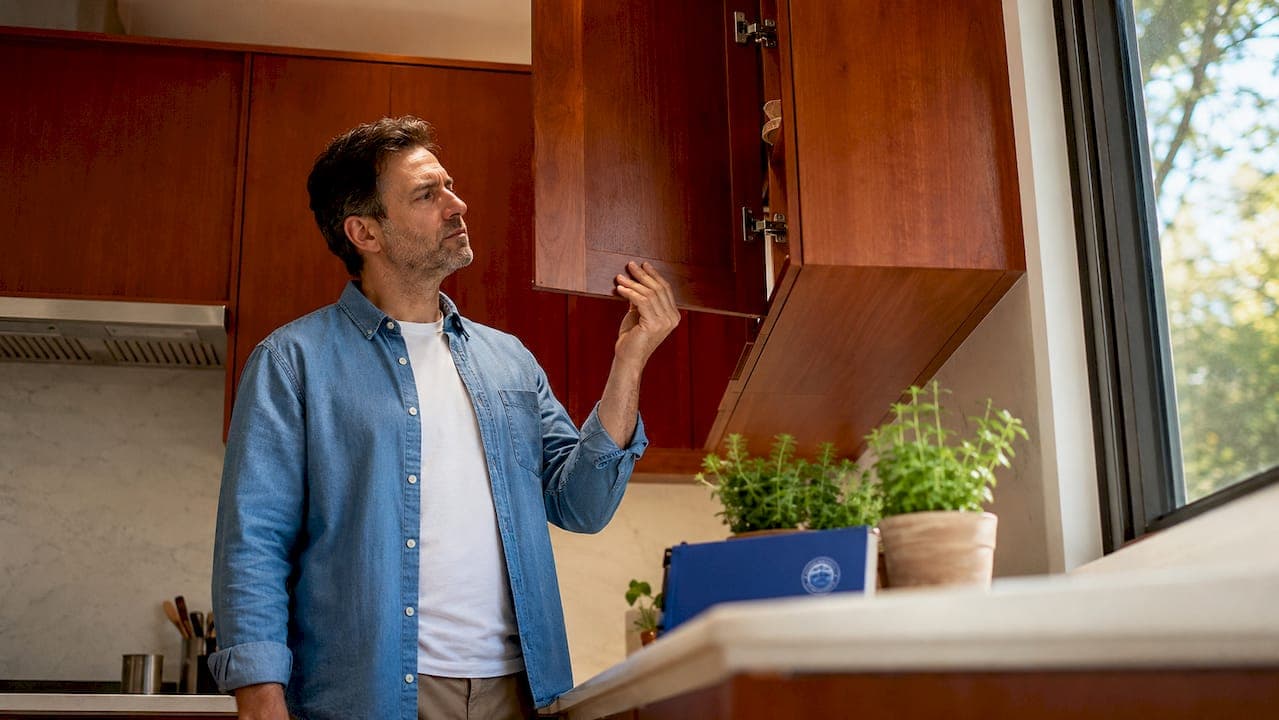
Cherry wood cabinets are premium hardwood kitchen cabinets crafted from American Black Cherry (Prunus serotina), valued for a fine, closed grain and a natural color that deepens from light pinkish-tan to rich reddish-brown over time. That color evolution, called photo-reactive oxidation, sets cherry apart from every other cabinet wood on the market. Cherry cabinets also carry a 15–25% price premium over oak or maple, reflecting both slower tree growth and high demand. The Janka hardness scale rates cherry at 950 lbf, which places it in the moderate range for kitchen use. Understanding these core traits helps you decide whether cherrywood cabinets belong in your renovation plan.
1. Cherry wood cabinets: the top design styles
Cherry wood adapts to more kitchen styles than most homeowners expect. The wood's warm tone and fine grain work equally well in traditional, transitional, and modern settings.
Raised-panel doors are the classic choice for cherry. The layered profile adds visual depth and highlights the wood's natural warmth. Glazing applied over raised panels draws attention to the molding details and gives the kitchen a formal, high-end feel.
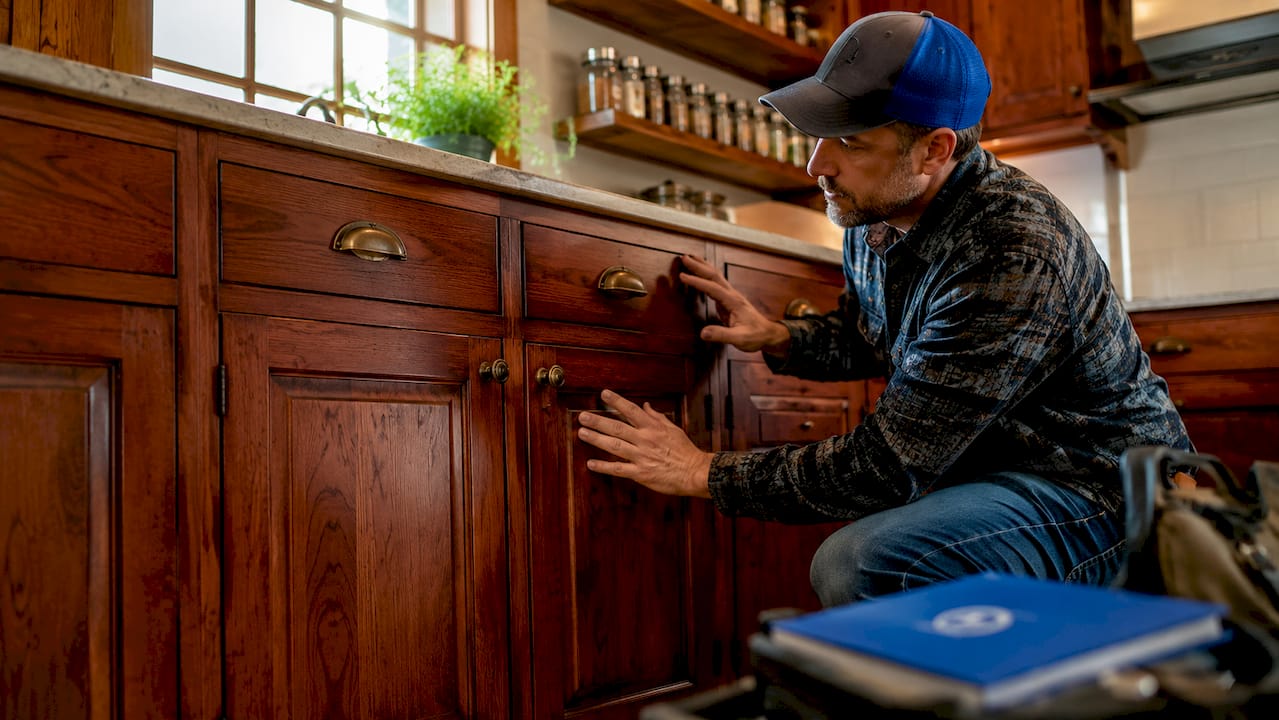
Cherry shaker cabinets are the most popular option right now. The shaker-style recessed panel keeps lines clean while letting the wood's color do the work. Cherry shaker cabinet doors suit both traditional kitchens and transitional spaces that mix old and new elements. Cherry cabinets shaker style also age gracefully because the simple profile never looks dated.
Slab or flat-panel doors work best in modern kitchens. Modern design favors slab doors in cherry specifically because the uninterrupted surface showcases the wood's fine, consistent grain. This style avoids the ornate details that can make traditional cherry kitchens feel heavy.
Key finish considerations:
- Clear coats let the wood age naturally and develop its full patina over time.
- Stains can deepen or shift the color toward darker reds or warm browns.
- Low-sheen matte finishes are the right call for most kitchens. Designers recommend avoiding high-gloss finishes on cherry because they produce a dated look associated with 1990s cabinetry.
- Satin finishes offer a middle ground between matte and gloss without looking plastic.
Pro Tip: If you want cherry shaker style cabinets to feel current, pair them with flat black or brushed brass hardware. The contrast between warm wood and dark metal reads as modern without fighting the wood's natural character.
2. How cherry wood ages and changes color
Cherry wood is photo-reactive. Light exposure triggers an irreversible chemical process that darkens the wood from pale salmon to deep reddish-brown. This is not a flaw. Photo-reactive aging improves visual depth, making older cherry cabinets appear richer and more luxurious than new ones.
The aging process follows a predictable sequence:
- Months 1–3: The wood shifts noticeably from its original light tone. Change is fastest in this window.
- Months 3–12: Color deepens steadily. The kitchen will look different than it did at installation.
- Year 1 and beyond: The patina stabilizes into a consistent reddish-brown. The wood continues to darken slowly for years.
- Uneven exposure risk: Objects left on cabinet surfaces block light and create lighter patches. UV exposure causes uneven coloring when surfaces stay covered during the critical first months.
- Solid wood vs. veneer: Solid cherry and veneer panels age at different rates. Cabinets built with matched batches of veneer and solid wood minimize color inconsistencies over time.
Pro Tip: For the first six months after installation, avoid placing decorative items, small appliances, or anything else directly against cabinet surfaces. Rotate any items you cannot remove so all surfaces get equal light exposure.
3. Durability and maintenance compared to other hardwoods
Cherry wood sits in the moderate range on the Janka hardness scale. Its 950 lbf rating falls below Hard Maple at 1,450 lbf and Red Oak at 1,290–1,360 lbf. That difference matters in a working kitchen where cabinets take daily contact.
Cherry resists general surface wear well, but it dents more easily than maple or oak under sharp impacts. A dropped cast iron pan will leave a mark. That said, cherry's closed-grain structure produces a smooth, uniform surface that takes finishes evenly and hides minor scratches better than open-grain woods like oak.
| Property | Cherry | Red Oak | Hard Maple |
|---|---|---|---|
| Janka hardness (lbf) | 950 | 1,290–1,360 | 1,450 |
| Grain type | Closed | Open | Closed |
| Stain uniformity | Excellent | Moderate | Good |
| Dent resistance | Moderate | Good | Excellent |
| Natural color aging | Yes (dramatic) | Minimal | Minimal |
Practical maintenance steps that protect cherry cabinets long term:
- Humidity control: Keep indoor humidity between 35–50%. Wide swings from 20% to 80% cause minor gaps in cabinet joinery as the wood expands and contracts.
- Scratch touch-ups: Use a furniture touch-up marker matched to the aged color, not the original installation color.
- UV protection: Apply window film on south-facing or west-facing windows to slow uneven aging in high-sunlight kitchens.
- Cleaning: Wipe with a damp cloth and dry immediately. Avoid standing water near joints.
Natural mineral streaks and gum pockets visible in cherry wood are authentic material characteristics, not defects. Buyers familiar with quality hardwood recognize them as signs of genuine solid cherry.
4. Cost considerations for cherry kitchen cabinets
Cherry cabinets cost more than most hardwood options, and the gap is real. Cherry cabinets run 15–25% more than comparable oak or maple cabinets. That premium reflects slower tree growth, higher material cost, and strong demand from the high-end remodeling market.
Pricing breaks down by product tier:
| Cabinet type | Approximate cost range |
|---|---|
| Stock cherry cabinets | $100–$300 per linear foot |
| Semi-custom cherry cabinets | $300–$650 per linear foot |
| Custom cherry cabinets | $650–$1,500+ per linear foot |
| Ready-to-assemble (RTA) cherry | Lower end of stock range |
| Cherry veneer cabinets | Below solid wood pricing |
Total project costs range from a few thousand to over $30,000 depending on kitchen size, door style, and customization level. A standard 10-by-10-foot kitchen with semi-custom cherry shaker cabinets typically lands in the mid-range of that scale.
The return on investment holds up. Kitchen remodels recoup 54–72% of cost on average, and cherry cabinets exceed typical returns because buyers in the high-end market respond to the premium perception of solid cherry wood. If resale value matters to you, cherry is one of the stronger choices in cabinetry.
Pro Tip: Ready-to-assemble cherry shaker cabinet doors give you the look of custom cabinetry at a fraction of the price. Check kitchen cabinet pricing by linear foot before you commit to a full custom quote. The savings on RTA can fund better countertops or hardware.
5. How to choose cherry cabinets for your kitchen
Choosing the right cherry cabinets starts with your kitchen's architecture and light conditions. The wood's warm tone works in most settings, but the door style and finish need to match the room.
Match style to architecture:
- Traditional kitchens with crown molding and formal layouts suit raised-panel cherry doors with glazing.
- Transitional kitchens work best with cherry shaker style cabinets. The clean profile fits both the traditional bones and modern appliances.
- Modern kitchens call for flat-panel or slab doors in cherry with a clear matte finish.
Consider your lighting:
- North-facing kitchens with limited natural light benefit from lighter cherry finishes or clear coats that let the wood's warm tone brighten the space.
- South-facing kitchens with strong sunlight will age cherry faster. Plan for that change and choose a finish that looks good at both the early and mature stages.
Coordinate with countertops and backsplash:
- White or light gray countertops contrast well with darker aged cherry.
- Warm-toned stones like cream quartzite or honey-colored granite complement cherry's natural reddish hues.
- Avoid cool-toned backsplashes in blue or gray. They fight the wood's warmth rather than complement it.
Hardware selection matters more than most homeowners realize. Brushed brass, oil-rubbed bronze, and matte black all work with cherry. Polished chrome reads as too cold against the warm wood tone.
If resale is your priority, cherry shaker cabinet doors are the safest investment. The shaker profile appeals to the widest range of buyers and never reads as overly traditional or trendy. You can find ready-to-assemble kitchen cabinets in cherry shaker style that ship quickly and install without a contractor.
Key takeaways
Cherry wood cabinets are a durable, high-value investment that rewards homeowners who plan for natural color aging and choose the right door style for their kitchen's architecture.
| Point | Details |
|---|---|
| Natural aging is a feature | Cherry darkens from pale salmon to rich reddish-brown through photo-reactive oxidation. |
| Moderate hardness requires care | At 950 lbf Janka, cherry dents more easily than maple or oak but finishes more uniformly. |
| Shaker style is the safest choice | Cherry shaker cabinets suit traditional, transitional, and modern kitchens equally well. |
| Budget for a 15–25% premium | Cherry costs more than oak or maple but delivers stronger resale appeal in high-end markets. |
| Humidity control protects joinery | Keep indoor humidity at 35–50% to prevent gaps and warping in cherry cabinet frames. |
My honest read on cherry wood in today's kitchens
I have watched cherry wood cabinets go from the default choice of the 1990s to something people avoided for a decade, and now back to genuinely desirable. The shift happened because designers stopped pairing cherry with heavy glazing and dark granite and started treating it like the refined material it actually is.
The homeowners I see making the best decisions with cherry are the ones who accept the aging process instead of fighting it. They choose a clear matte finish, install the cabinets, and let the wood do its work over the first year. By month twelve, the kitchen looks like it cost twice what it did. That patina is real value you cannot fake with paint or laminate.
The one thing I would push back on is the idea that cherry is too traditional for modern kitchens. A flat-panel cherry door with a matte finish and black hardware looks current in 2026. The wood's warmth is actually an asset in kitchens that have gone too cold with all-white cabinetry and gray stone. Cherry brings life back into those spaces without requiring a full redesign.
Plan for the color change, control your humidity, and skip the high-gloss finish. Do those three things and cherry cabinetry will look better in ten years than it does on installation day. That is a rare quality in any building material.
— Nathan
Quality cherry cabinets without the custom price tag
If you are ready to move from planning to purchasing, Best Cabinet Specialist offers cherry wood kitchen cabinets built with plywood boxes and solid wood doors at prices that make the premium material accessible.

Best Cabinet Specialist carries cherry shaker cabinet doors and flat-panel styles with fast shipping designed for homeowners who cannot wait months for a custom order. As a women-owned and veteran-owned business, they bring a personal commitment to craftsmanship and value that shows up in every cabinet they ship. Browse the full selection of affordable cherry cabinets and find the style that fits your kitchen, your timeline, and your budget. You can also review the best places to buy kitchen cabinets to compare your options before you decide.
FAQ
What is the Janka hardness of cherry wood cabinets?
Cherry wood has a Janka hardness rating of 950 lbf, which is softer than Hard Maple at 1,450 lbf and Red Oak at 1,290–1,360 lbf. It handles daily kitchen use well but dents more easily under sharp impacts.
Do cherry cabinets go out of style?
Cherry shaker cabinets remain a strong choice in 2026 because the shaker profile suits traditional, transitional, and modern kitchens. Avoiding high-gloss finishes and heavy glazing keeps the look current.
How much do cherry wood kitchen cabinets cost?
Cherry cabinets cost 15–25% more than oak or maple, with total project costs ranging from a few thousand dollars to over $30,000 depending on kitchen size and customization level.
How do I prevent uneven aging on cherry cabinets?
Keep cabinet surfaces clear of permanent objects for the first six months after installation. UV exposure causes lighter patches where surfaces stay covered, so equal light exposure across all cabinet faces produces even color development.
Are mineral streaks in cherry cabinets a defect?
Natural mineral streaks and gum pockets in cherry wood are authentic characteristics of the material, not flaws. They indicate genuine solid cherry and are valued by buyers who know quality hardwood.